Artist residency 2027 – Prix art humanité
From 08.12.2026 to 28.02.2027
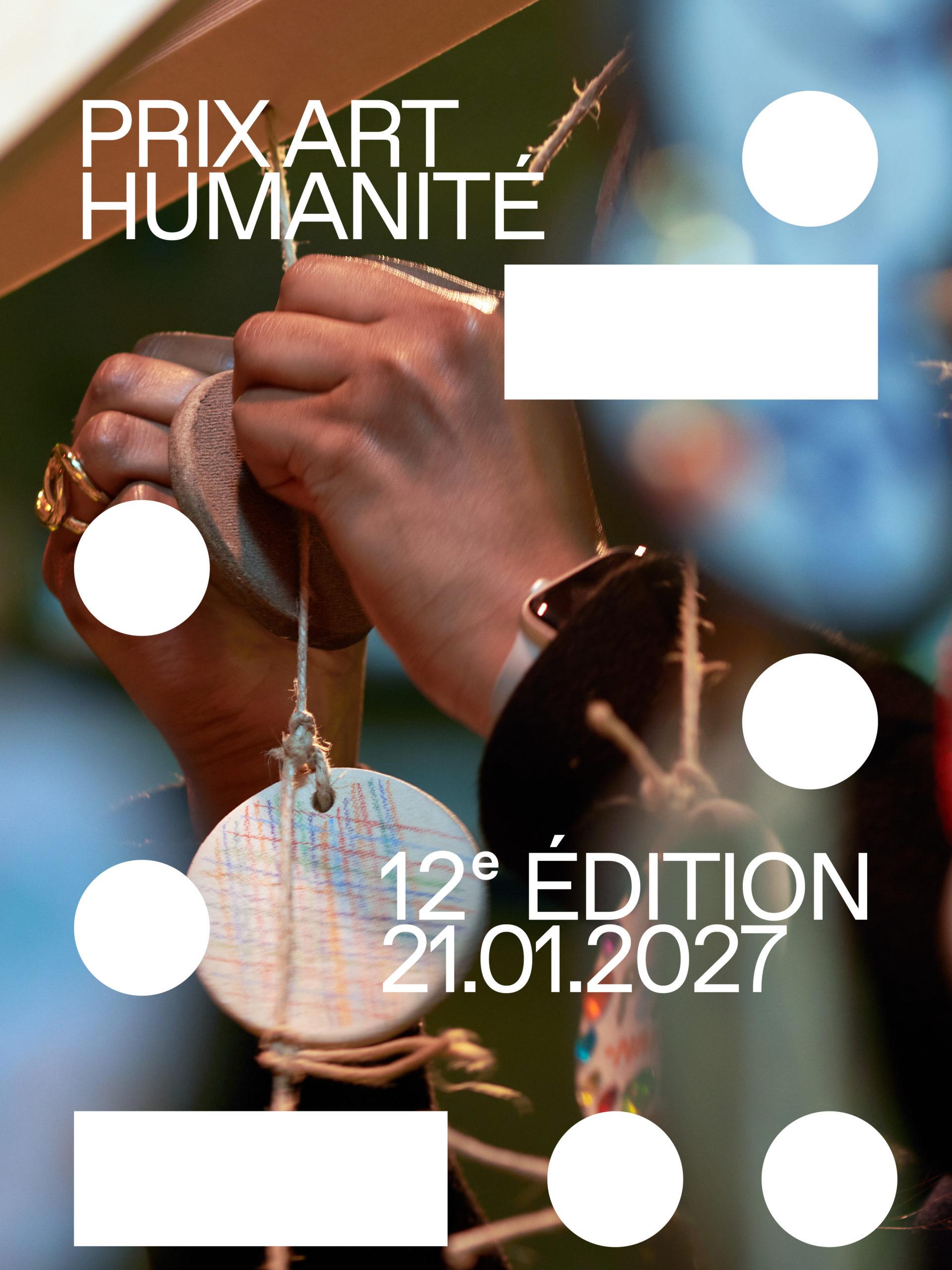
The International Red Cross and Red Crescent Museum is getting ready to host the 12th edition of the Prix Art Humanité.
From 8 December on, the Museum will host an exhibition showcasing the finalists of the 12th edition of the Prix Art Humanité. Organised in partnership with the ICRC, the Geneva Red Cross, the AHEAD Foundation and HEAD – Genève, this annual prize recognises artists from HEAD – Genève whose work explores the relationship between art and humanitarian action. The winning artist is awarded a six-month production and research residency at the Museum. From March to August, the Museum’s Atelier becomes a space for dialogue, creativity and exchange, where the artist-in-residence develops a collaborative artwork with the Museum’s audiences.
From 8 December 2026 to 21 January 2027, the works of the five finalists will be exhibited in the Atelier. During the exhibition, a tablet will be available for visitors to cast their vote until 18 January, participating to select the work that will receive the Prix du Public.
About the finalists
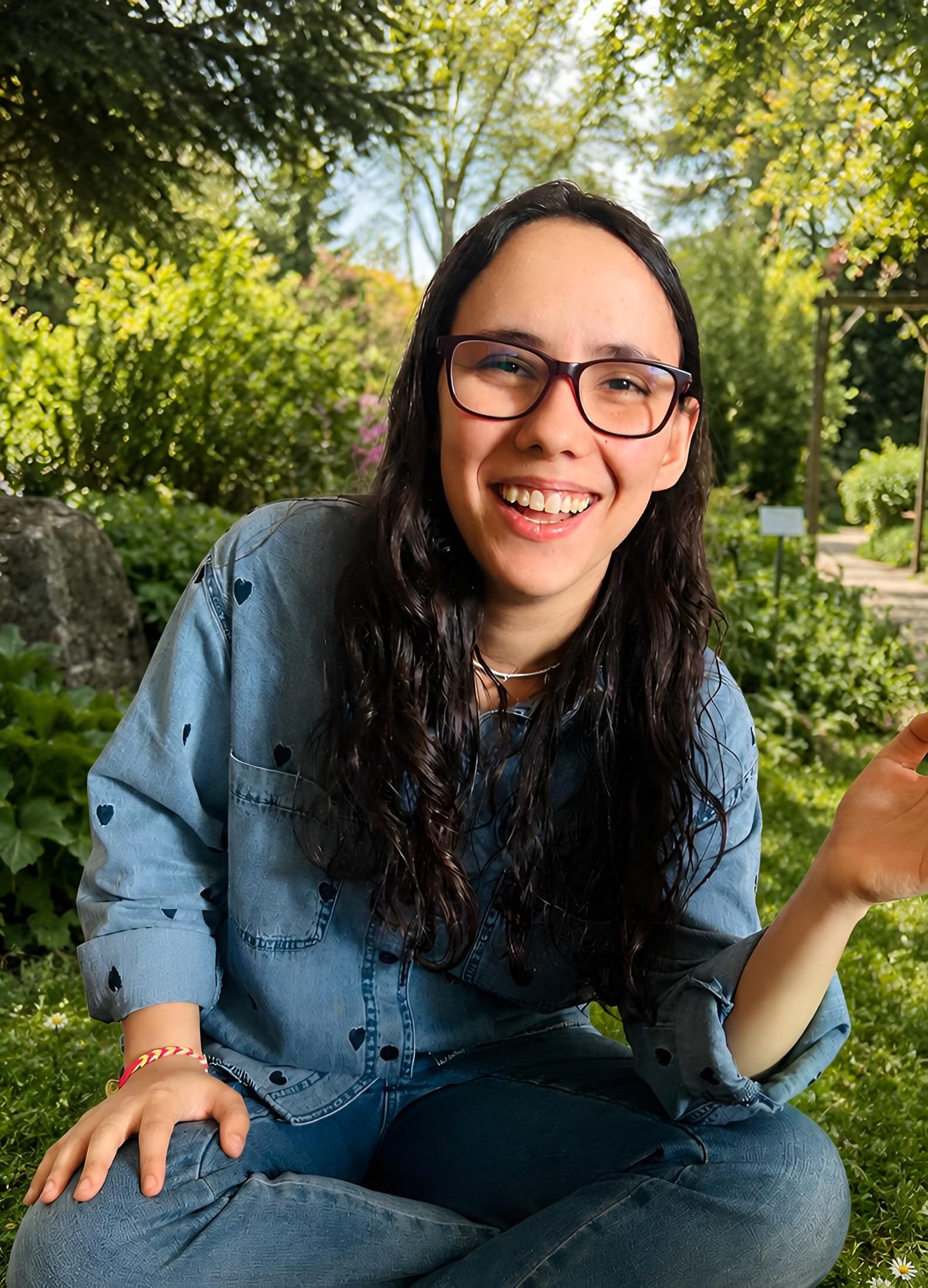
Margarida Gama Santos Correia
Born in Lisbon, Margarida Gama Santos Correia is a multidisciplinary graphic designer specialising in digital design.
After discovering her vocation through a bridging programme at CFP Arts, she joined HEAD – Genève in 2023. There, she has developed an experimental digital practice combining speculative storytelling, interaction design and ethical reflections on artificial intelligence.
Through website design, experimental video and creative coding, she explores themes relating to human relationships and the impact of the digital age on society. Her work is characterised by a critical approach, bringing together aesthetic exploration and social reflection.
Her experience has been enriched by collaborations with HEAD – Genève, notably on projects for Maison Saint Gervais. In June 2026, her interactive fiction project ROSA was presented as part of the PLAY START: Exploring Web Mini-Games exhibition at Pyxis in Lausanne.
Deeply committed to social design and with a personal understanding of neurodiversity, having been born extremely prematurely, she is dedicating her degree project to the inclusion of children born prematurely in mainstream education.
Naomi Gamarra
Born in Switzerland to Peruvian and Bolivian parents, Naomi Gamarra explores the transmission of cultural heritage through family and collective memory, as well as through her own experience of migration. She examines the historical issues surrounding the colonisation of these two Latin American regions, investigating and reinterpreting the syncretic objects, symbols and representations that emerged from this cultural and political conflict.
Her work explores the trajectories that unfold between identity, cultural hybridity and power relations within a globalised capitalist world.
After graduating with a Bachelor's degree in Visual Arts from HEAD – Genève in 2023, Naomi Gamarra continued her artistic education through the Work.Master programme. Her work has been featured in several group exhibitions in Geneva, notably at Live In Your Head, Almacen and Galerie Fabienne Levy, as well as in Boston at the David Rockefeller Center for Latin American Studies.
She has also held solo exhibitions in Basel as part of Liste Art Fair Basel in June 2024, in Lugano at Sonnenstube Offspace, and in Lima at Crisis Gallery.
In 2026, she is taking part in several group exhibitions, including at the Hammer Museum in Los Angeles, Villa Bernasconi in Geneva and Cabane B in Bern.
Hippolyte Giraud
Hippolyte Giraud is a young designer based between Geneva and Marseille and a recent graduate of HEAD – Genève. Still finding his place in relation to his own practice, and in search of both individual and collective meaning, he continues to explore, question and wander through an era marked by profound uncertainty. He sees this instability as a creative resource, or at the very least, as an opportunity to imagine a better future. Climate change, non-human life and the urban condition lie at the heart of his work.
In response to today's climate challenges, he seeks to restore a place for non-human organisms within the urban fabric, with a view to fostering new forms of mutualism in the future. His work aims to support these organisms as they navigate the harsh conditions imposed on them by the city in their everyday lives.
He seeks to challenge the city as an anthropocentric and capitalist construct, drawing inspiration from the ecological relationships found in nature, which have shaped the Earth and, indirectly, the human species.
Priya Mara Magar Lanfranchi
Priya Mara Magar Lanfranchi, Swiss-Nepalese artist, was born in Nepal, where she spent the first five years of her life. A graduate of the Work.Master programme at HEAD – Genève in 2026, and originally trained in contemporary dance, she has developed a practice centred on performance, which extends into video, writing and installation.
Through movement, repetition, physical constraint and sound, she approaches the body as a space of memory, tension and language. Her research explores how power relations, social norms and structural violence become inscribed in the body and shape experiences of belonging, representation and visibility. Her experience of adoption is an important influence on her practice: she examines issues surrounding transracial and transnational adoption, displacement, racism, multiple identities and memory.
Gestures, rituals and cultural practices become forms of living archives through the body, allowing her to question the tensions between heritage, erasure, displacement and reclamation.
This research also forms part of a broader collective endeavour. The artist is the founder of two associations: one dedicated to the stories and visibility of adopted people, and Green Tara Genève, which supports children's education in Nepal.
During several stays in Nepal, she has also developed projects in collaboration with local communities, including performative walks. These experiences have led her to question her relationship with her origins. Art becomes a space for encounter, dialogue and reclamation, capable of bringing together stories, people and places.
Akriti
Artist and designer originally from Nepal, Akriti graduated with a Bachelor's degree in Jewellery and Accessory Design from HEAD – Genève in June 2026.
Her practice begins with material experimentation, which in turn guides her exploration of form. She works with materials not traditionally associated with jewellery, such as paper, straw and ink. By exploring different ways of transforming them, she plays with contrasts between fragility and resilience, delicacy and rawness. Chance plays an important role in her creative process, as does the dialogue between traditional craftsmanship and contemporary digital tools.
Her creations sometimes exist somewhere between jewellery and object design. She is particularly interested in objects that bear the traces of time and transformation.
The Prix international
The Prix International, established in 2025, is awarded by HEAD – Genève, the ICRC and the Museum, in partnership with an art school based in a country where the ICRC operates. For its second edition, the prize is being organised in collaboration with the Académie des Beaux Arts de Kinshasa, in the Democratic Republic of the Congo.
This year, artist Jessy Dunga has been awarded the Prix International for his work La force des fragiles. The work will be presented in the Atelier as part of the group exhibition featuring the five finalists of the Prix Art Humanité 2027.
He will spend a week in Geneva to attend the award ceremony and take part in a programme of artistic and cultural encounters.
About the prix international
Jessy Dunga
Jessy Dunga is a Congolese visual artist and a graduate of the Académie des Beaux Arts in Kinshasa, where he specialised in painting.
His work explores the human condition through a visual language that lies somewhere between realism and symbolism. He works primarily with coffee, charcoal and acrylic paint to address themes of memory, absence, silent wounds, resilience, and individual and collective experiences.
His work has been exhibited at several venues in Kinshasa, including the French Institute and the Chinese Embassy, as well as in Guerni-K, presented at the Spanish Embassy in collaboration with the Académie des Beaux Arts. His work has also featured in Paradoxes des Réalités and Histoires de Miroirs. He has also exhibited at The White Gallery in New York, as part of a collaboration with FONAREV.
Alongside his artistic practice, he contributes to exhibition design and cultural engagement projects, notably for the exhibitions ABSTRAIRE #1 and ABSTRAIRE #2 in Kinshasa, as well as Escape – Générations numériques at the French Institute in Kinshasa. He has also taken part in a creative and research workshop led by Aimé Mpane and was a finalist in the Elembo Ya Sika competition, organised by the Defise Foundation and Africell Impact Foundation.
1 | 10
© Margarida Gama Santos Correia 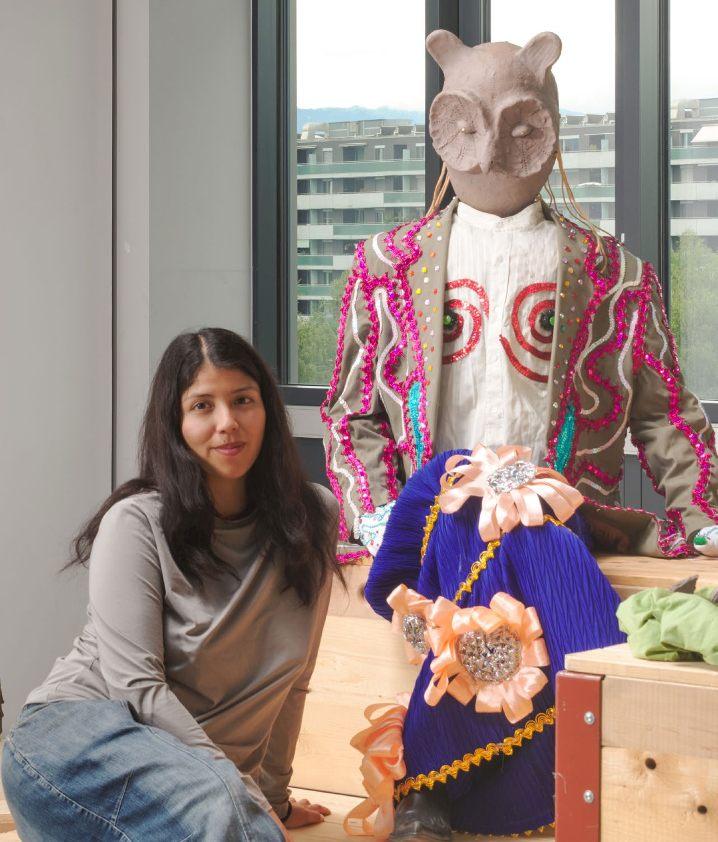
© Fabrizzo Arena, HEAD 2026 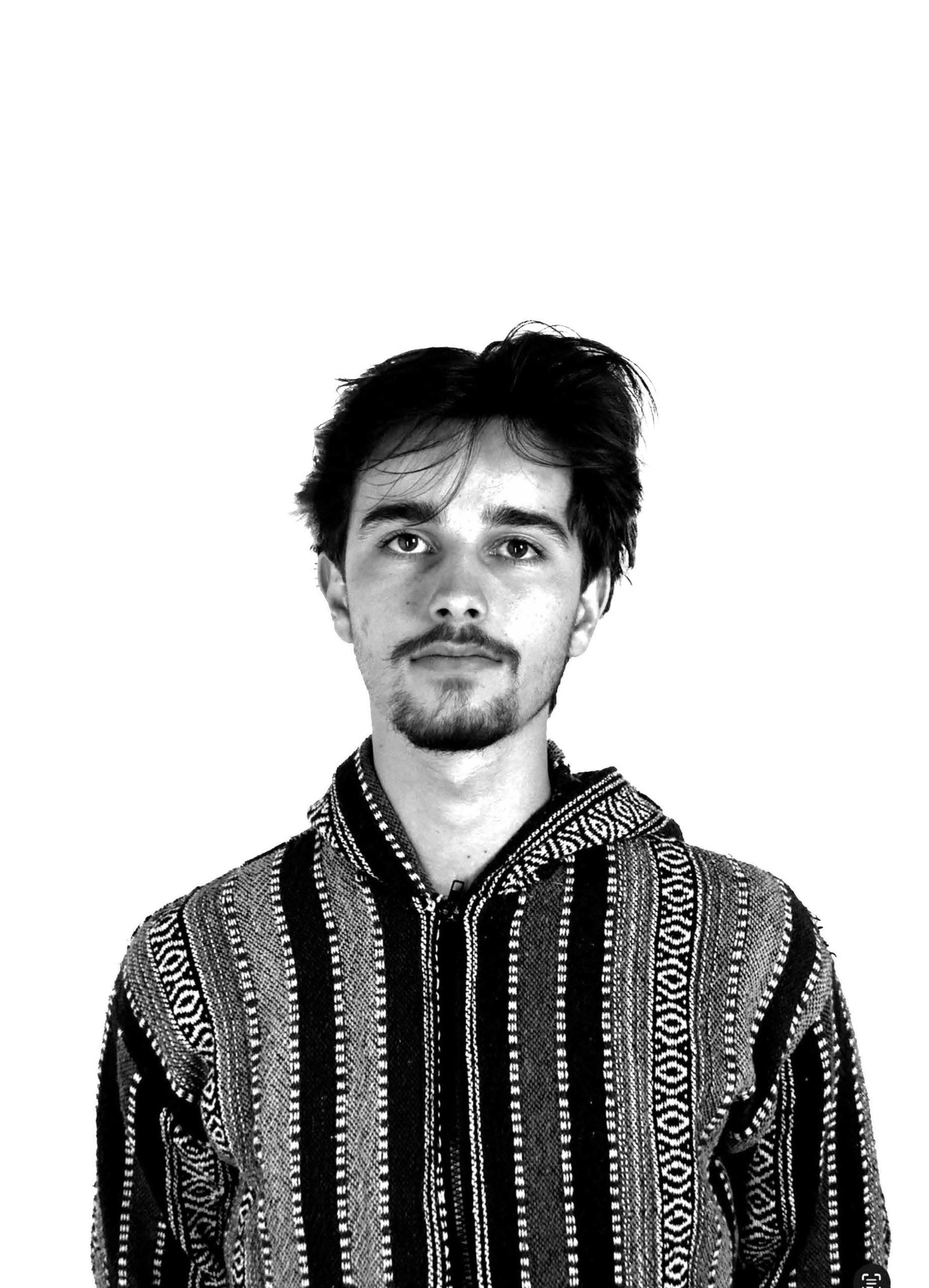
© Hippolyte Giraud 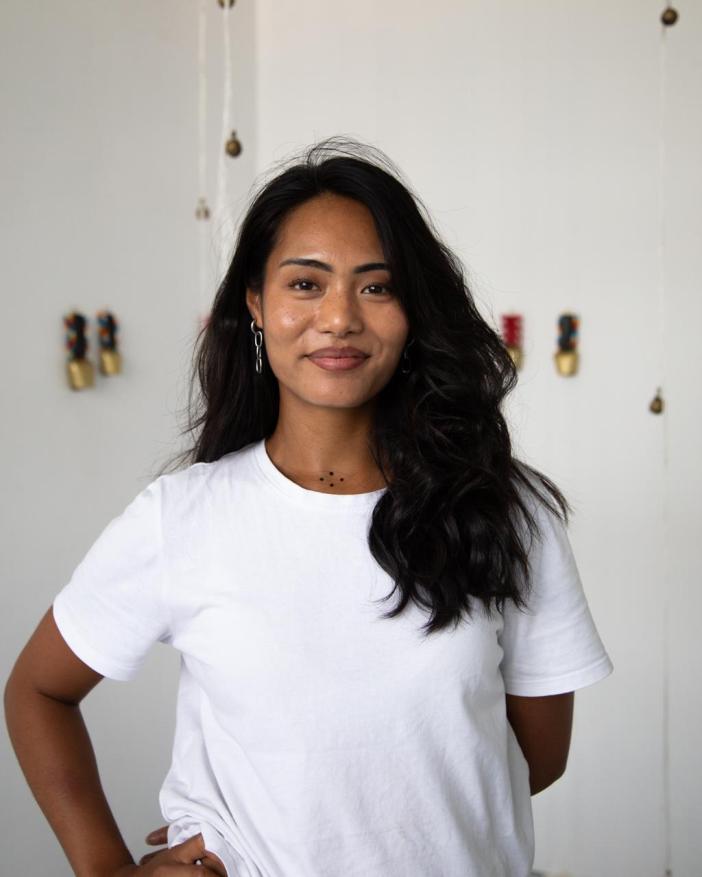
© Shanez Baiteche 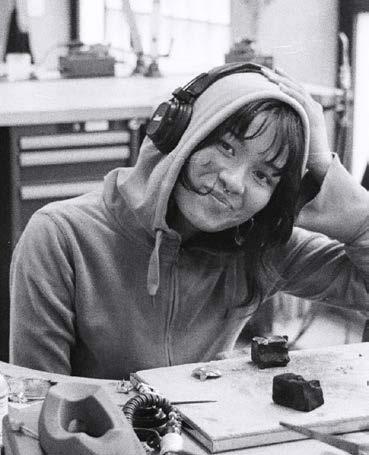
© Akriti 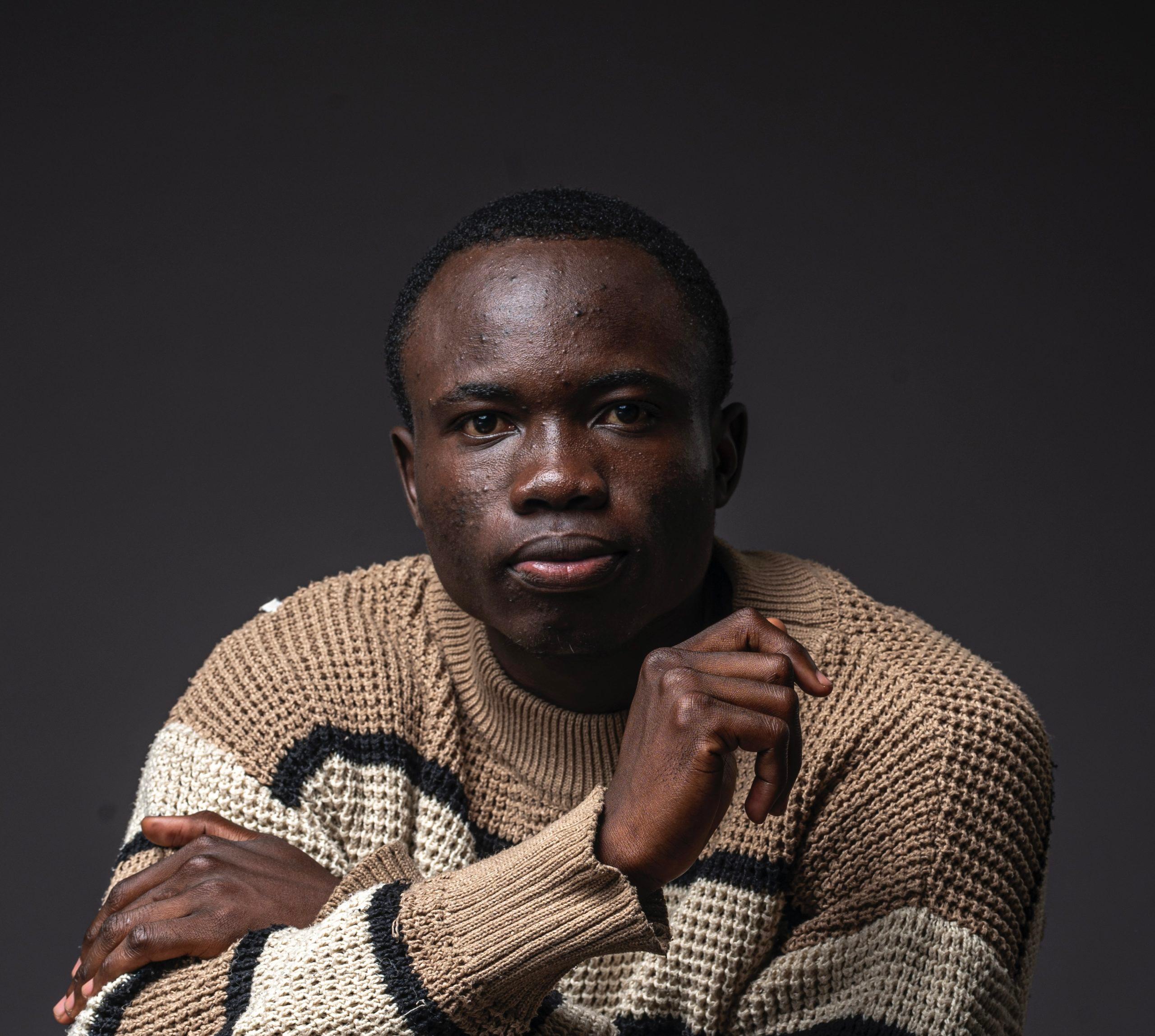
© Jessy Dunga 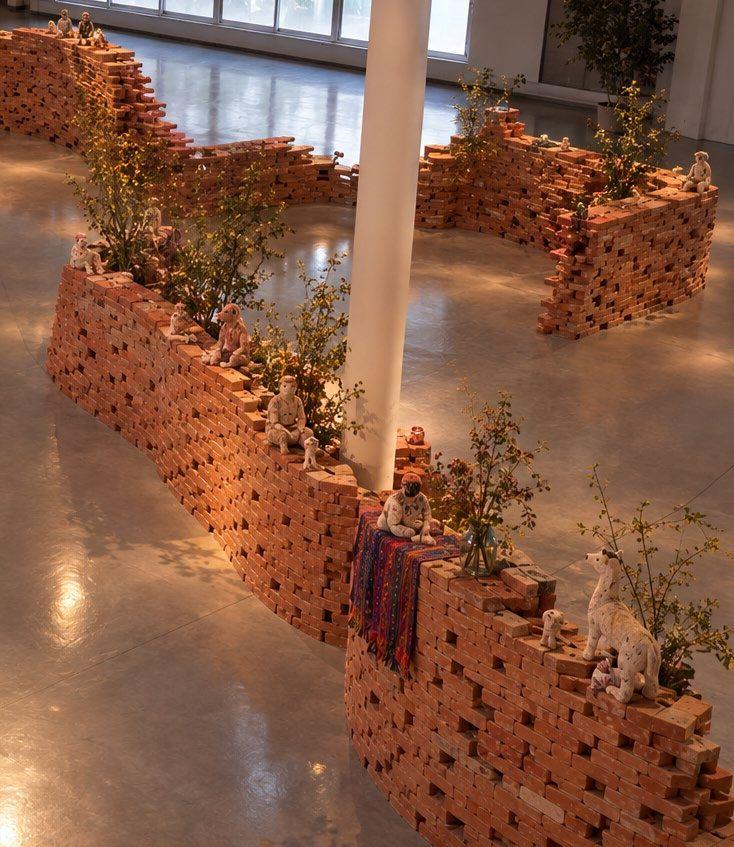
UN SUEÑO SIN NOCHE, projet de Naomi Gamarra ©Naomi Gamarra 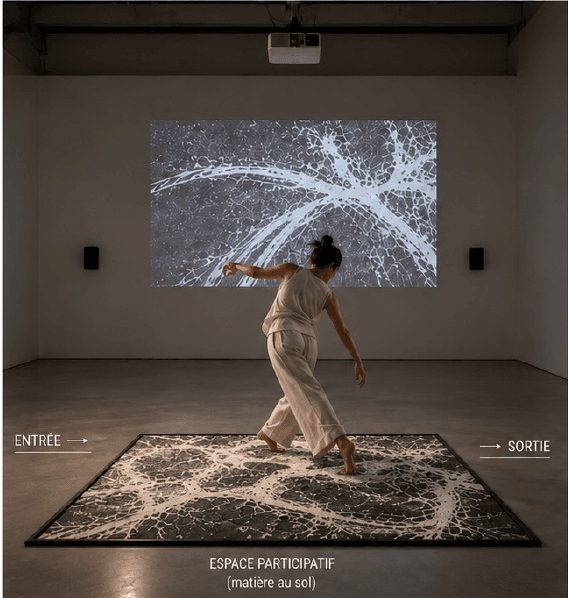
TERRITOIRES D’EXISTENCE - FAIRE TRACE, projet de Priya Mara Magar Lanfranchi 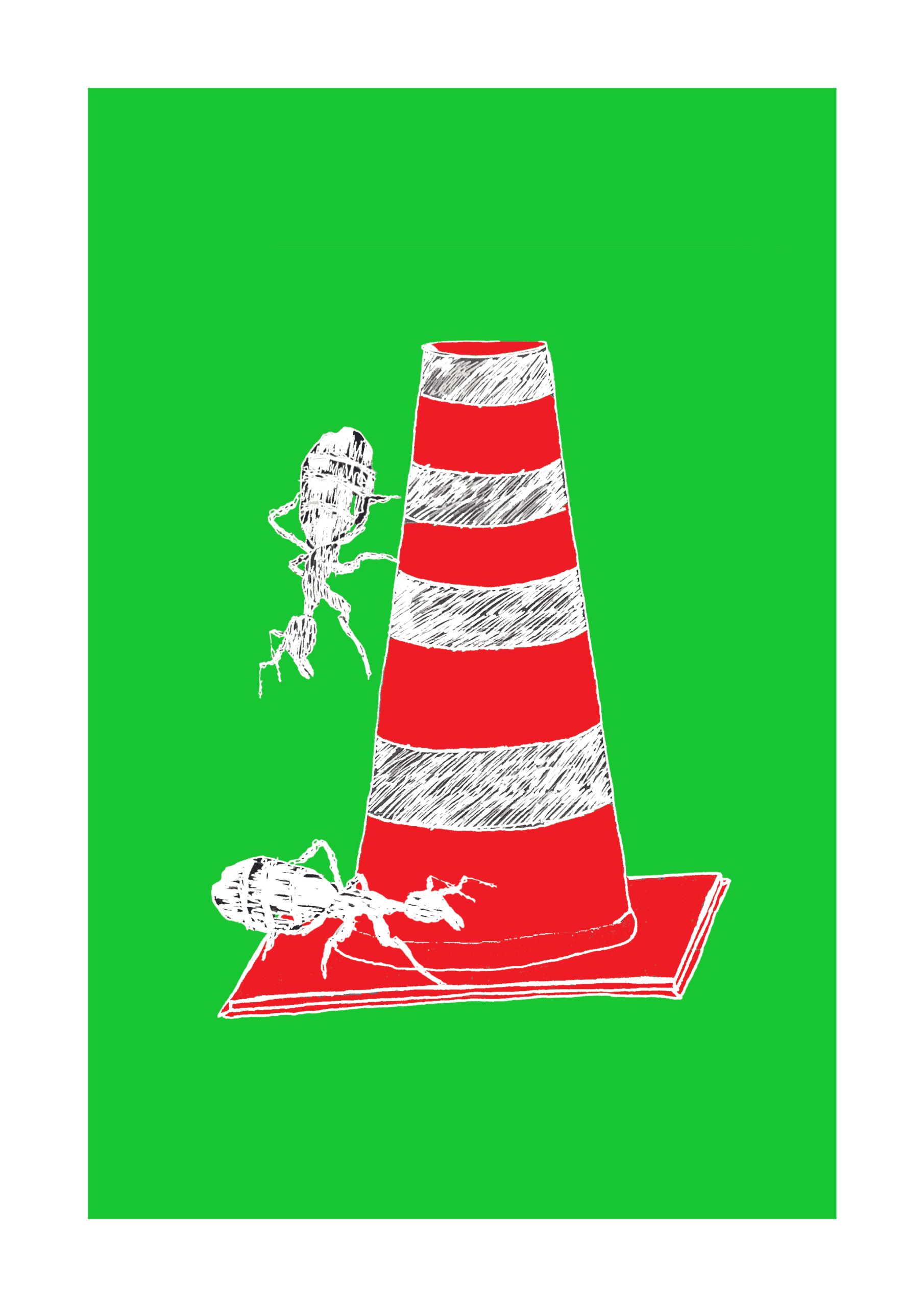
De ceux qu’on dit nuisibles, projet d'Hippolyte Giraud 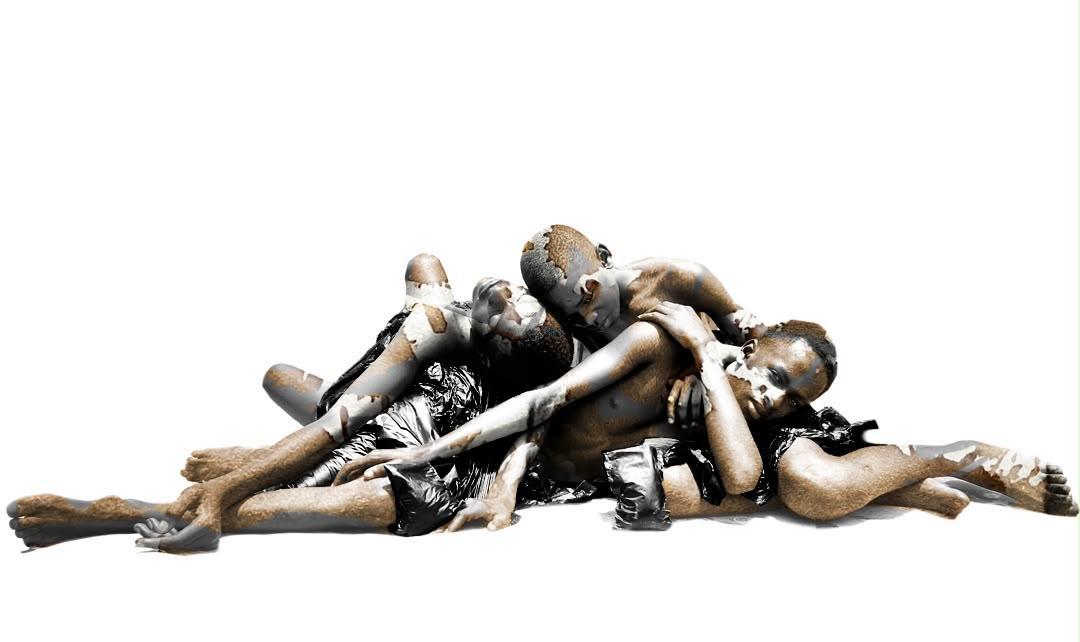
La force des fragiles, de Jessy Dunga
partnerships
Practical Information
Open Tuesday to Sunday, 10 am to 5 pm
Late opening every Thursday until 8 pm
Closed on Mondays, 24, 25 and 31 December, and 1 January.
The exhibition is in free access
You can vote for your favourite project until 19 January 2027 using the tablets provided in the Atelier.
Previous artists-in-residence: a look back
©Alex Larson, Julie Bellard, Salomé Ziehli
©Alex Larson, Julie Bellard, Salomé Ziehli
©Alex Larson, Julie Bellard
©Alex Larson, Julie Bellard,
Book your visit to the Museum
The International Red Cross and Red Crescent Museum asks a central question: how does humanitarian action affect us all, here and now?