Permanent exhibition
Open from Tuesday to Sunday

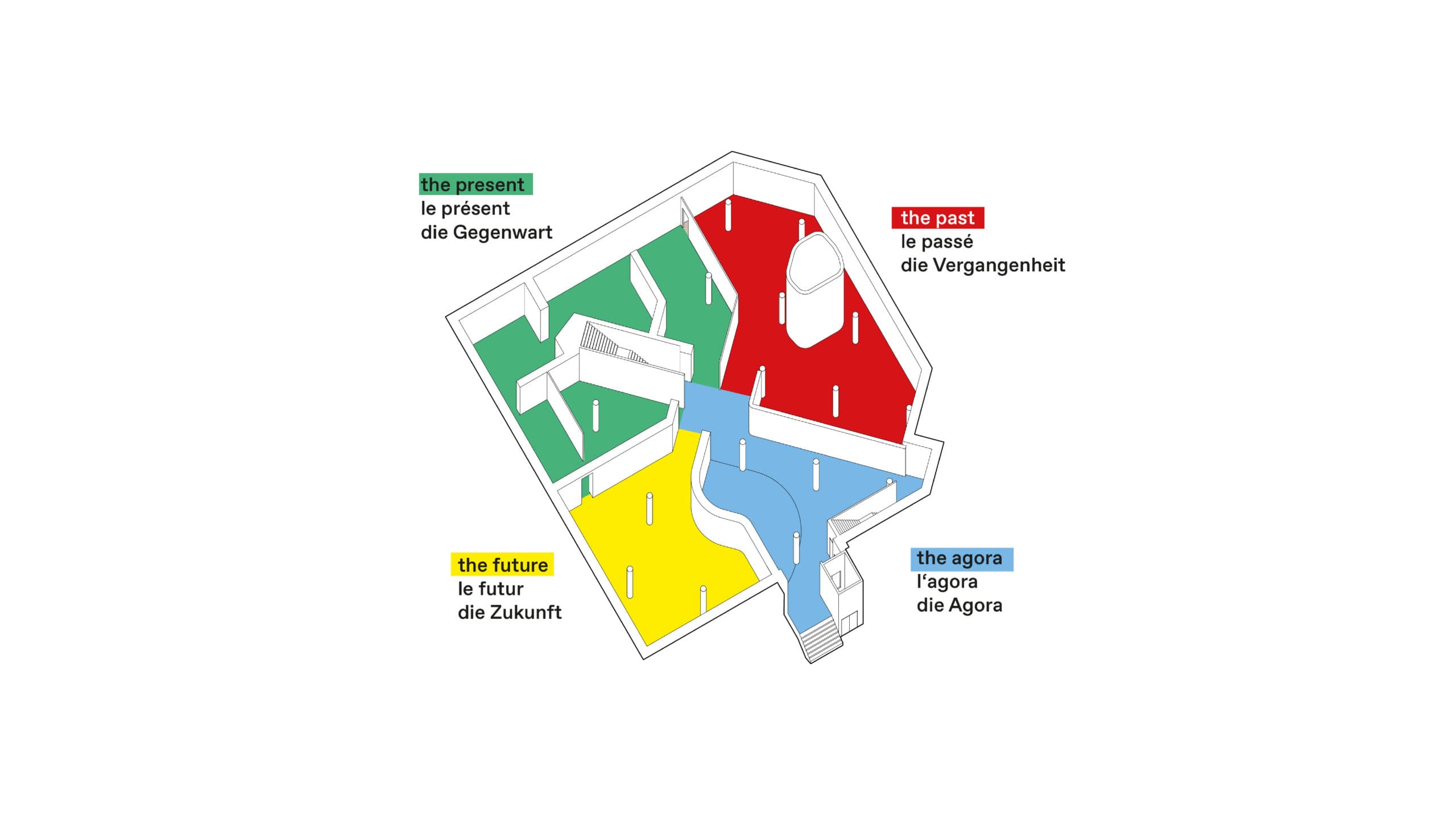
Building the past, the present and the future
The new exhibition, which will be ‘im/permanent’, will explore humanitarian action by focusing on three periods in the history of the International Red Cross and Red Crescent Movement:
Past
Why and how was the Movement formed, and how has it changed since the 19th century?
Present
What does the Movement’s work look like today? What do the people of the Movement do, what challenges do they encounter and what realities do they face on the ground?
Future
What challenges lie ahead for humanitarian action?
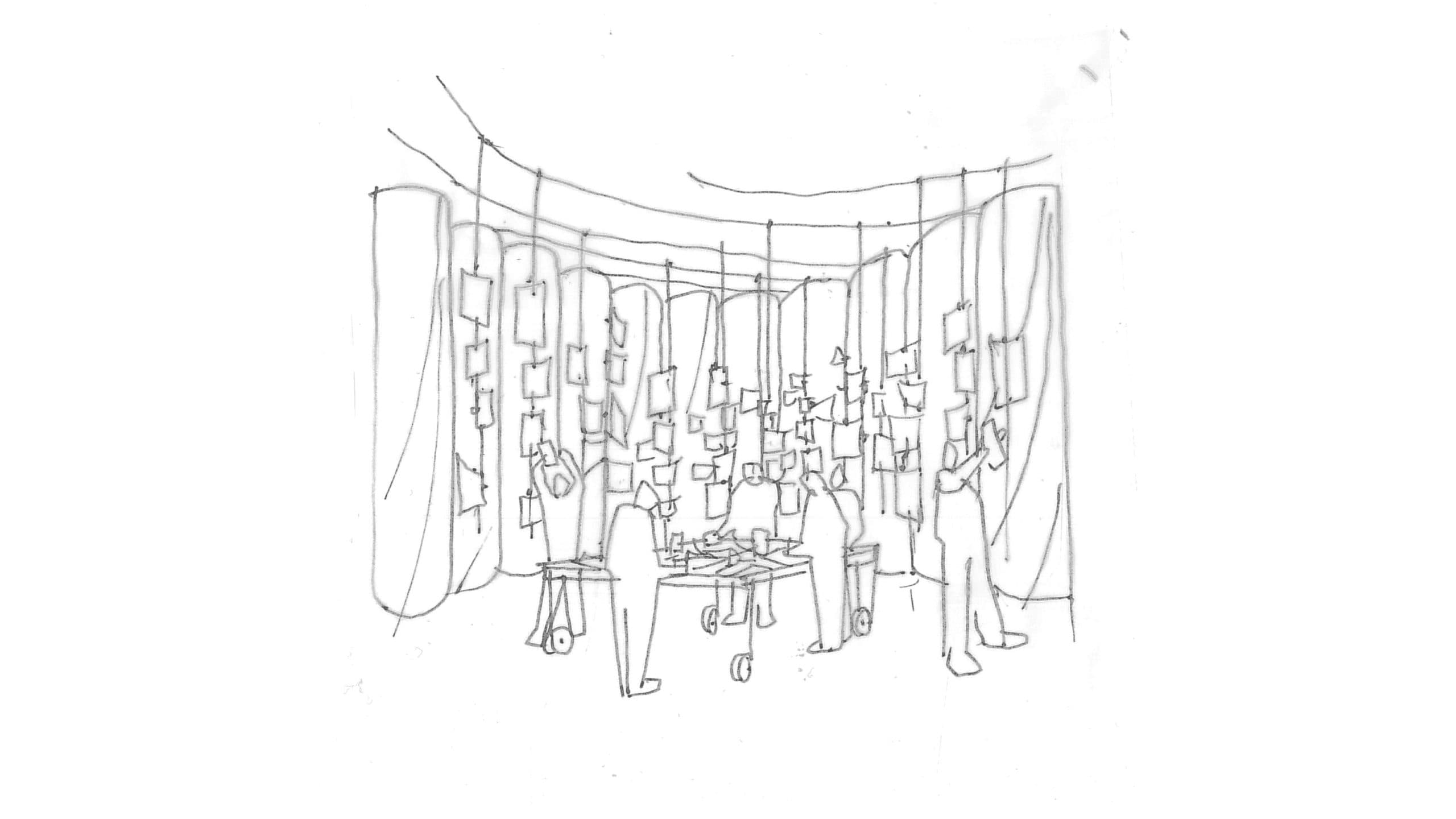
the Agora
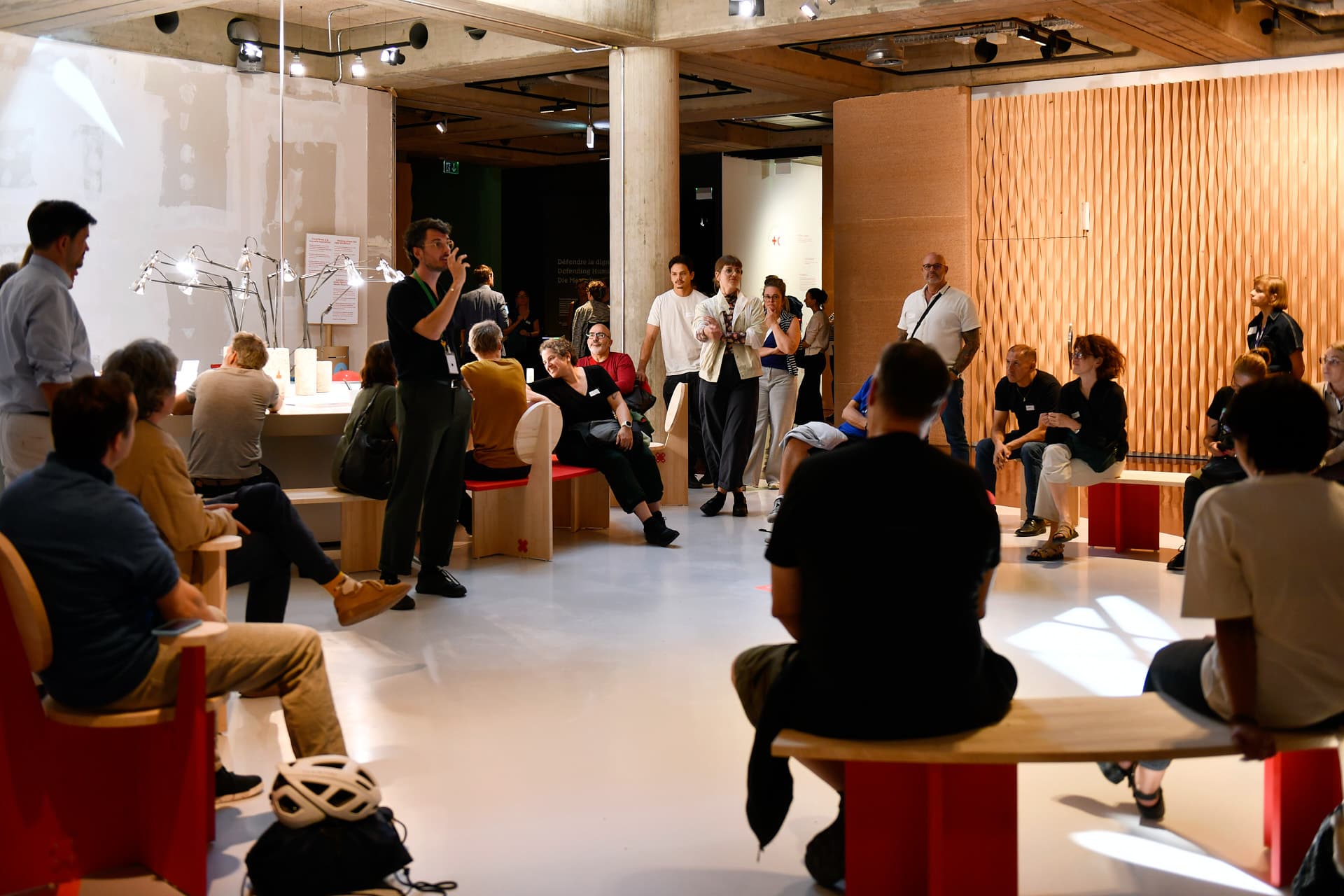
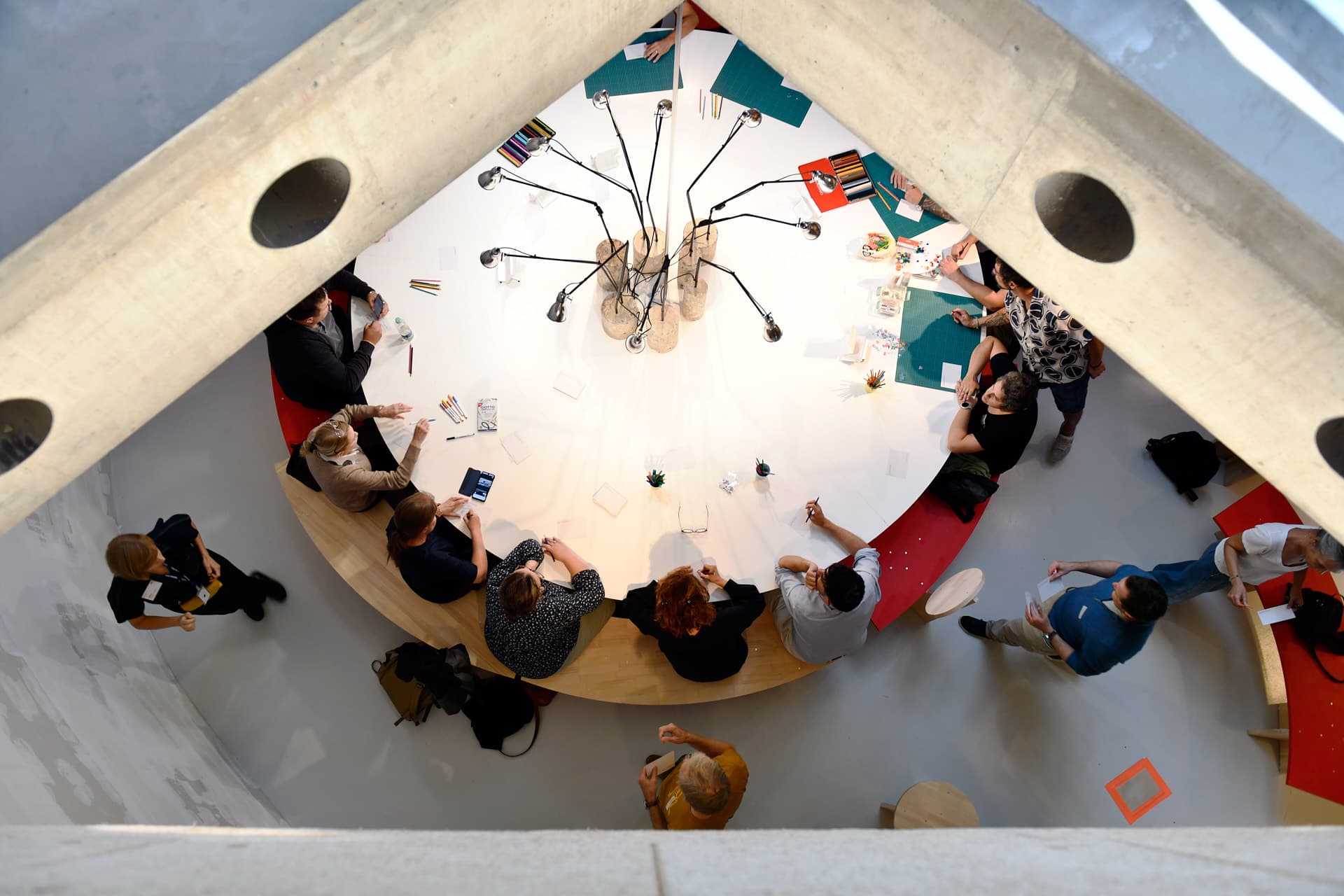
The Agora is a welcoming space at the heart of the exhibition. You can sit down, chat or take a break. Discussions and meet-ups will be organised here to encourage you to discover humanitarian principles and to consider our central question: how does humanitarian action affect us all, here and now?
The final version of the Agora will be unveiled in spring 2028.
the Future
In the “Future” section, you will be able to explore the challenges that humanitarian action will one day confront. Through scenarios inspired by current research and debates, you will discover different ways of imagining the future, without any one vision given preference. You will be invited to consider possible futures through the lens of major issues such as climate change, technological progress and access to healthcare. Interactive devices will allow you to generate stories and images and to explore these possible futures on the basis of the Museum's collection.
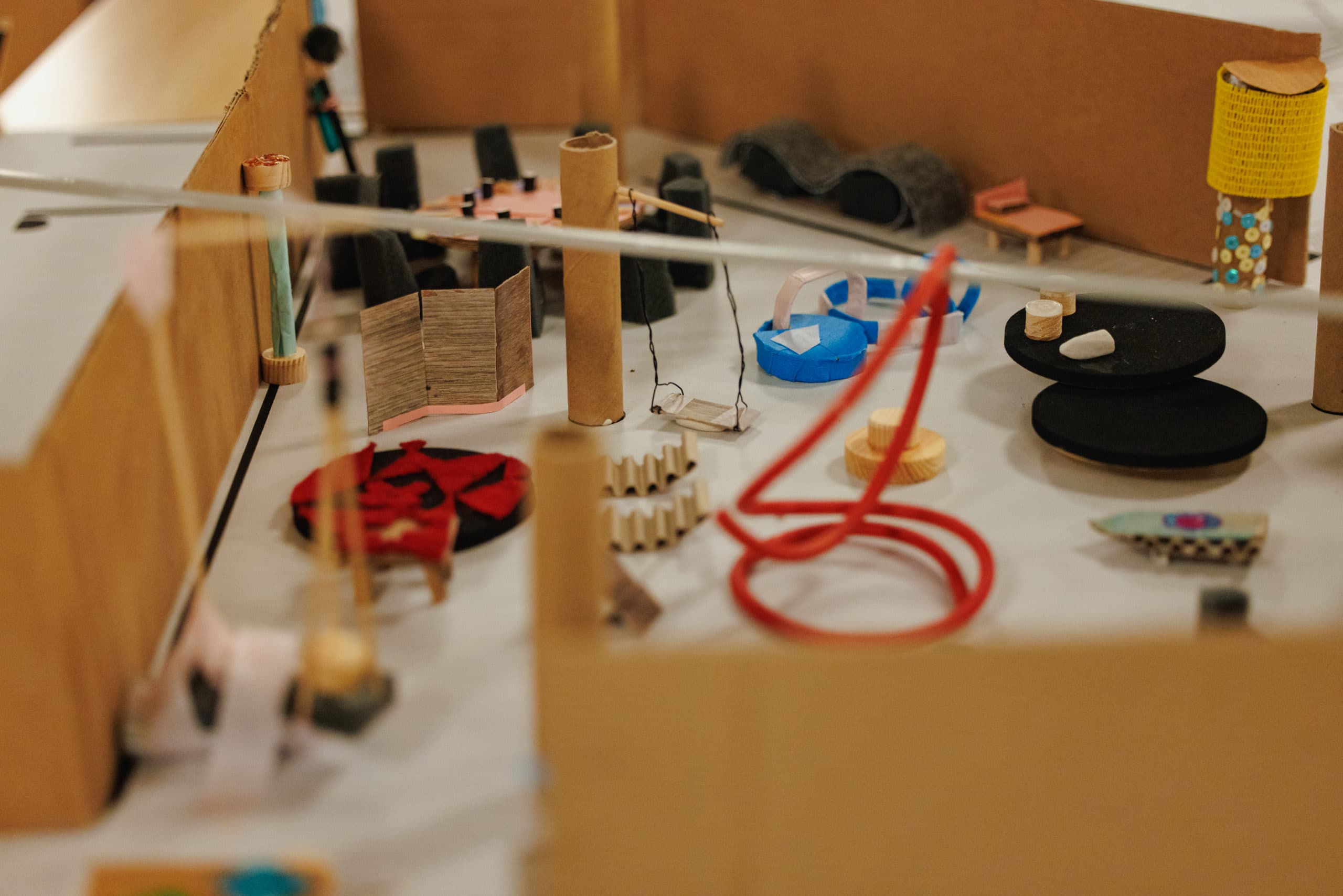
Part of the space will be designed by children, as a way of incorporating their views of the future. This section will bring together imagination and reality, based on Henry Dunant's vision. It will encourage you to reflect on what you can do given the challenges that lie ahead.
the construction site, step by step
The new exhibition will open section by section as the work progresses. Some areas will close temporarily or undergo changes during this process.
Building the past, the present and the future
Vision 2028
We have decided to give our permanent exhibition a new look. The current exhibition will stay open as we phase in these changes – which emphasize inclusion, reuse and other sustainability principles – between 2026 and 2028. We’re keeping the Museum open during this time because we want to remain a welcoming space for everyone to connect and reflect. We also want to let you know about the decisions that go into redesigning an exhibition and the processes involved.
Practical information
Opening hours
Open Tuesday to Sunday
From 10 a.m. to 5 p.m.
Late opening every Thursday until 8 p.m.
Closed on Mondays, December 24, 25 and 31 and January 1
FAQ
Why transform the exhibition?
The permanent exhibition inaugurated in 2013 marked a key milestone in the Museum's history and continues to be appreciated by a wide audience. Since its opening, it has welcomed hundreds of thousands of visitors and helped share the history and values of the Movement around the world.
The transformation does not call into question the quality or relevance of this project. On the contrary, it builds on its legacy and reflects the Museum's commitment to continuing to evolve, just as the Movement itself has done since its creation.
The transformation also responds to changes in humanitarian issues, audience expectations and museum practices. It aims to better showcase the Museum's unique collections while ensuring their preservation, and to make the Museum more accessible, inclusive and welcoming to people with diverse backgrounds and needs.
Transforming an exhibition does not mean erasing what came before it. The new exhibition builds on the strengths of the current one while proposing new ways of engaging with collections, humanitarian issues and the questions shaping our world today.
This evolution will contribute to a deeper understanding of the past, present and future challenges of the International Red Cross and Red Crescent Movement, humanitarian action, international humanitarian law and humanitarian principles.
You often refer to an "im/permanent" exhibition. What does that mean?
Traditionally, a permanent exhibition is designed to remain largely unchanged for many years.
The new exhibition follows a different approach. It is designed to evolve over time, incorporating new research, new testimonies and new issues without requiring a complete reconstruction.
This approach is based on principles of sustainability, reuse and circular design. In line with the values it promotes, the Museum seeks to minimise its environmental impact and make the greatest possible use of existing resources. This reflects a broader commitment to responsibility and resource preservation.
The notion of im/permanence is also embedded in the exhibition's structure. The visitor journey is organised around the Past, the Present and the Future. Over time, the future becomes the present, and the present becomes the past.
Unlike a traditional permanent exhibition, this approach will also make it possible to introduce new content on a regular basis. During the transformation process and once completed, there will always be a reason to return to the Museum to discover how the exhibition has evolved and what new perspectives it offers.
How are the main directions of the transformation decided?
The transformation is conducted under the responsibility of the Museum's management and forms part of the strategy approved by its Foundation Board. The Board regularly monitors the project's progress and validates its main directions.
The project also benefits from ongoing exchanges with the Museum's institutional partners and with the different components of the International Red Cross and Red Crescent Movement.
Furthermore, the ICRC and IFRC are represented on the Museum's Foundation Board. The Movement's Fundamental Principles are also embedded in the Museum's statutes and form one of the foundations of its mission.
Like any project of this scale, the transformation involves continuous discussion, consultation and adjustment. The choices presented today are the result of several years of reflection, dialogue and collective work.
How will the collections be enhanced?
The transformation gives a central place to the Museum's collections.
It will make it possible to display around 500 objects, compared with approximately 75 today, while providing better historical context and ensuring their long-term preservation.
The objects on display will help visitors better understand the people, events and human realities to which they are connected. They will contribute to telling the story of the Movement, humanitarian action and the major challenges facing our societies.
What will be the role of the International Red Cross and Red Crescent Movement in the future exhibition?
The transformation is specifically designed to strengthen understanding of the Movement, its history, its Fundamental Principles, its work and the challenges it faces today and in the future. It seeks to make these issues accessible to a wide range of audiences, from humanitarian specialists to children, Heads of State and first-time visitors.
The project is being developed in close collaboration with the different components of the Movement and draws on numerous heritage items, documentary resources and expertise from the humanitarian, cultural and academic sectors.
The International Committee of the Red Cross (ICRC) and the International Federation of Red Cross and Red Crescent Societies (IFRC) are represented on the Museum's Foundation Board, which monitors the project's progress and approves its main strategic directions. The Movement's Fundamental Principles are also enshrined in the Museum's statutes and form one of the foundations of its mission.
What place will international humanitarian law and the Fundamental Principles have in the future exhibition?
A central one.
International humanitarian law, the Fundamental Principles, and the major issues surrounding humanitarian action form the foundation of the project.
The reflection focuses primarily on how to convey these topics to diverse, international and intergenerational audiences. The objective is to strengthen public understanding and ownership of these issues, not to reduce their presence within the exhibition.
The exhibition will also continue to raise awareness of the Movement's emblems, their meaning, their legal framework and the conditions governing their use.
Why does the exhibition present multiple perspectives on humanitarian action?
Humanitarian action is complex. It takes place within diverse historical, political, social and cultural contexts. The exhibition will present the achievements, advances, dilemmas and contradictions that have accompanied the history of the Movement and humanitarian action more broadly.
The objective is not to pass retrospective judgement, but to better understand the contexts in which humanitarian actors have operated and continue to operate today. This approach also helps visitors understand contemporary issues by placing them within broader historical perspectives.
What role do art, participation and experiential approaches play in the project?
The Museum considers collections, testimonies, research, artistic creation and public participation to be complementary ways of exploring humanitarian issues.
Artistic approaches do not replace historical knowledge or humanitarian expertise. They complement them by creating spaces for reflection, dialogue and imagination around subjects that can sometimes be complex or difficult to grasp.
The Museum will therefore continue to combine rigorous content, rich collections, research, contemporary creation and public participation.
What place will personal testimonies have in the future exhibition?
Personal testimonies will remain an essential part of the visitor experience.
The future exhibition will feature the voices of volunteers, beneficiaries, delegates, humanitarian professionals, people directly affected by conflicts or disasters, as well as researchers.
Particular attention will be paid to the diversity of these voices. The objective is to broaden the range of perspectives presented and to reflect the diversity of realities faced by the Movement around the world.
The exhibition does not seek to impose a single narrative but rather to create the conditions for dialogue between different experiences, journeys and viewpoints.
How does the Museum choose the images, testimonies and content presented in the exhibition?
The selection of images, testimonies and exhibition content is guided by historical, scientific, museological and ethical criteria.
The Museum pays particular attention to respecting the dignity of the people represented, especially those affected by conflict, disasters or other forms of violence. The objective is to foster understanding of humanitarian realities without reducing individuals to their suffering or compromising their integrity and dignity.
This approach is fully consistent with the Museum's values and with the humanitarian principles that inspire its work. 
How is the transformation financed?
The total budget for the transformation amounts to CHF 4.4 million.
The transformation is financed separately from the Museum's operating budget. It relies on the Museum's own resources as well as funds specifically secured for the project. These resources are distinct from those that support the Museum's day-to-day operations.
Why invest several million francs in an exhibition when humanitarian needs are so great?
Humanitarian needs are indeed immense and require concrete responses in the field.
However, the Museum is not an operational humanitarian organisation. Its mission is different but complementary: to preserve a unique heritage, transmit the history and principles of humanitarian action, raise awareness of contemporary issues and provide a space for dialogue, reflection and learning.
More than 120,000 people visit the Museum each year. The transformation aims to strengthen this mission of transmission, awareness-raising and contextualisation over the long term. Investing in this exhibition means investing in heritage, education, understanding humanitarian issues and a tool that will continue to generate impact for many years to come.
Why does the Museum remain open during the works?
The Museum has chosen to remain open in order to continue welcoming visitors and fulfilling its mission throughout the transformation process. This decision also makes it possible to make the project visible and to share with visitors the reflections and questions that accompany the creation of the future exhibition.
The safety and comfort of visitors remain an absolute priority. The works are organised in successive phases ensuring continuous compliance with safety standards and accessibility requirements in all areas open to the public.
Dialogue is at the heart of the transformation process.
Anyone wishing to share a question, concern or proposal may do so through the various channels for discussion and exchange established by the Museum.
Different viewpoints are not only legitimate but essential to the success of a project that seeks to foster greater dialogue around humanitarian issues.
This approach also makes it possible to develop the exhibition progressively in dialogue with audiences, specialists and the various committees supporting the project.
Rather than transforming the Museum behind closed doors, we have chosen to carry out this evolution alongside our audiences, in a spirit of dialogue, participation and openness that reflects the values inspiring the project. Remaining open also reflects our commitment to building this transformation with the public rather than away from them.
In what way is the transformation participatory?
Participation is one of the project's founding principles.
Since its launch, the transformation has been informed by extensive dialogue with Museum staff, guides, components of the Movement, humanitarian practitioners, external experts, institutional partners and various audiences.
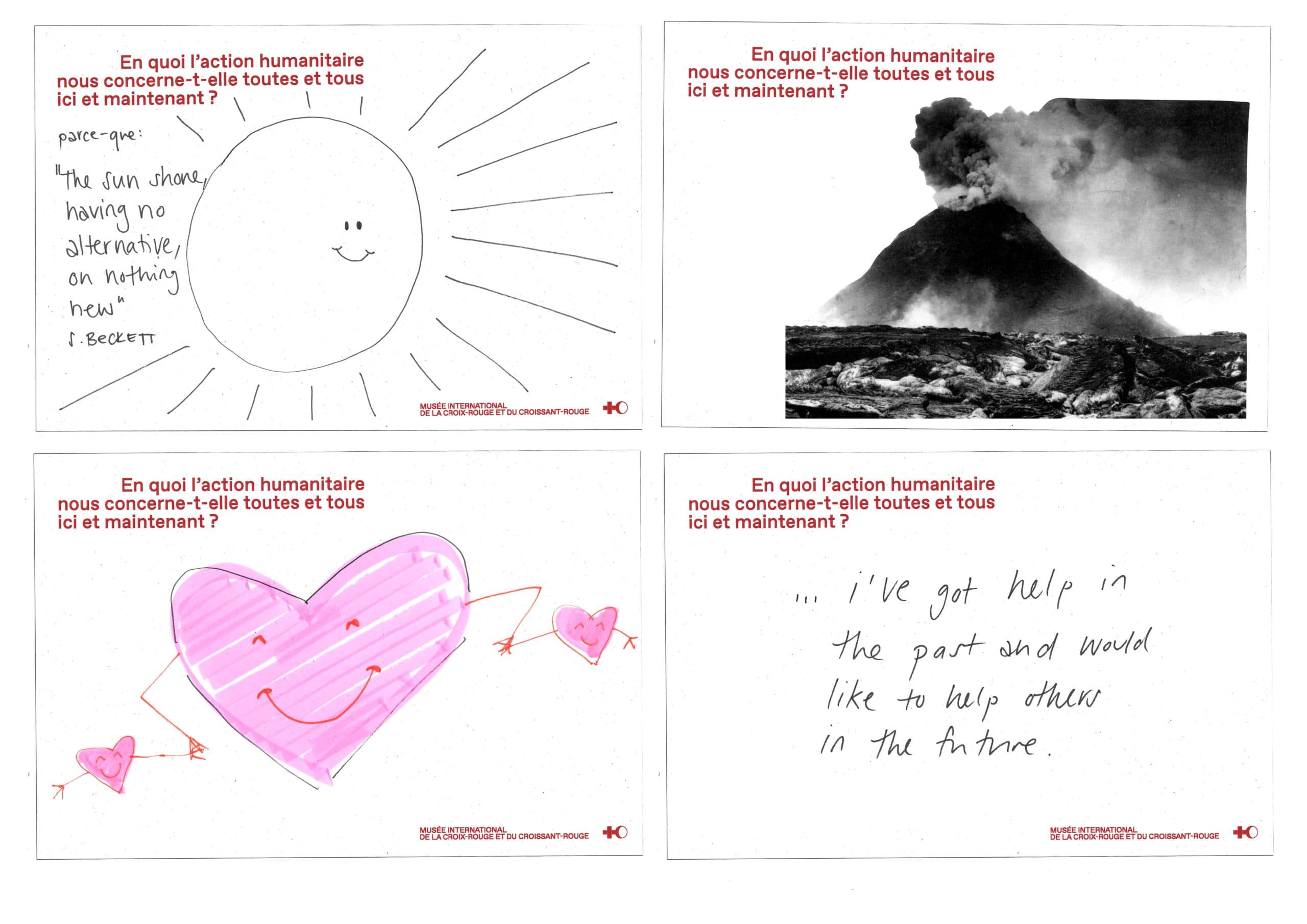
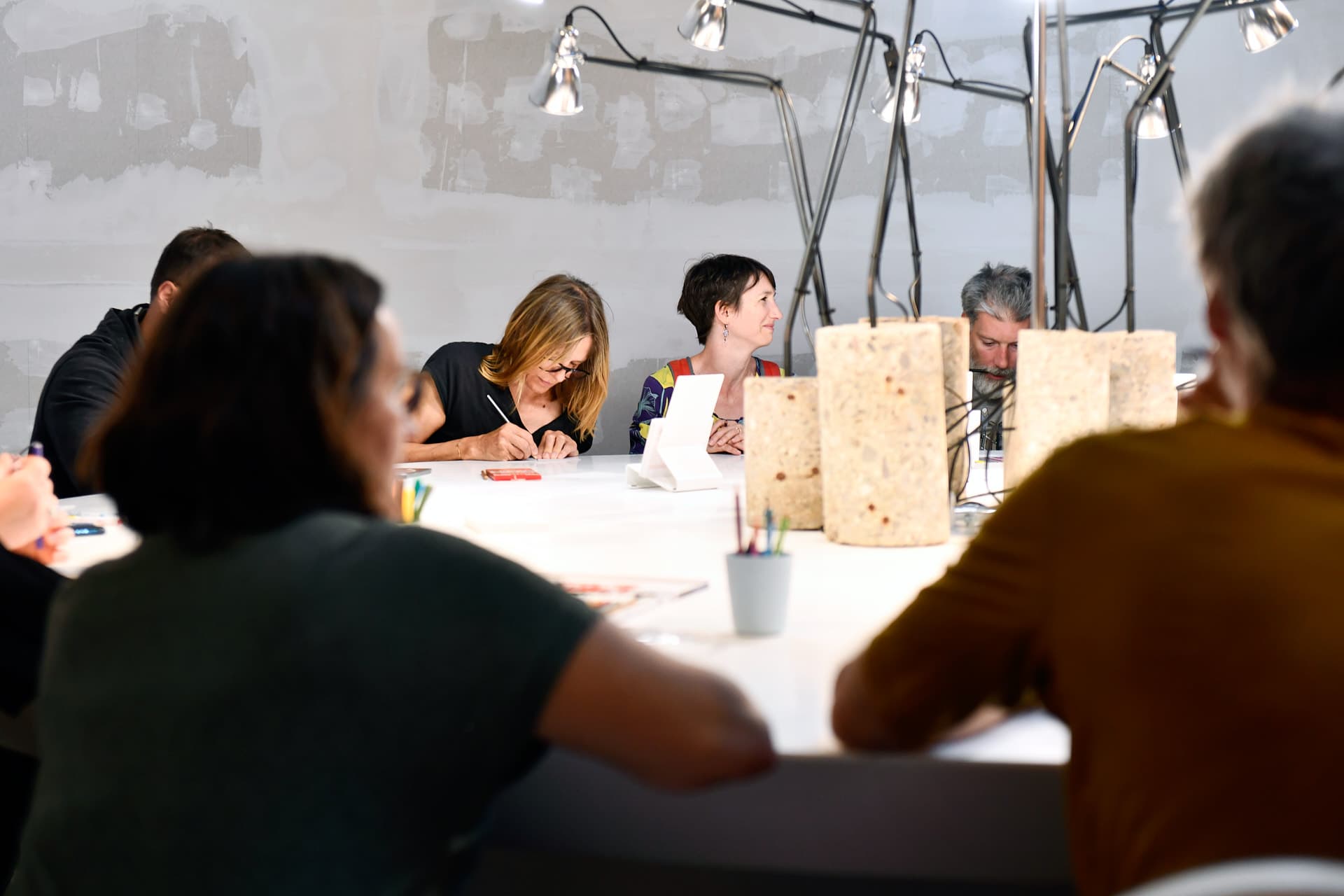
Members of the public are also invited to contribute directly through a range of participatory initiatives, including postcards distributed in Switzerland and internationally, workshops organised both at the Museum and beyond its walls, and future dialogue spaces within the exhibition itself.
Several external committees also accompany the project throughout its development. These include researchers and young people whose reflections and recommendations help enrich the process and may lead to adjustments or new directions. People concerned with accessibility issues are likewise involved through a dedicated committee that supports the Museum's transformation over its entire duration.
The decision to keep the Museum open during the works, to make the process visible and to explain project choices publicly is also a way of involving audiences in this transformation.
How can I contribute or share my views?
Dialogue is at the heart of the transformation process.
Anyone wishing to share a question, concern or proposal may do so through the various channels for discussion and exchange established by the Museum.
Different viewpoints are not only legitimate but essential to the success of a project that seeks to foster greater dialogue around humanitarian issues.
Credits
baubüro in situ
apropå
Denkstatt sàrl
Bellprat Partner
atelier MOP A
Institutional Partners
Partner in the Redesign of the Permanent Exhibition
Book your visit to the Museum
The International Red Cross and Red Crescent Museum asks a central question: how does humanitarian action affect us all, here and now?