Must-see items
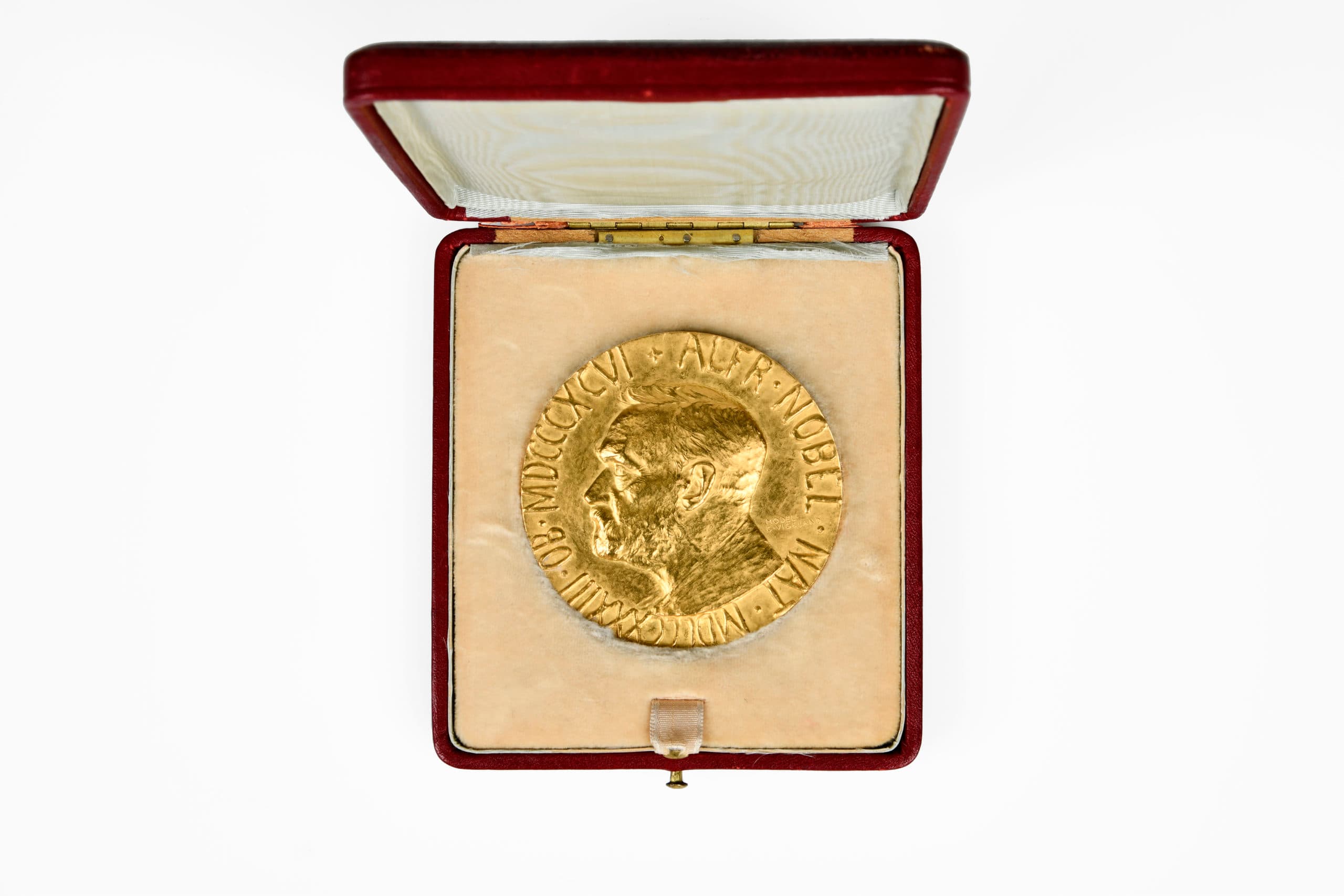
First Nobel Peace Prize medal
1901
In 1864–1866 , Henry Dunant had the idea of creating a politically neutral organization dedicated to improving conditions for prisoners of war and providing impartial care to the wounded on the battlefield. He was awarded the first Nobel Peace Prize in 1901 for co-founding the International Red Cross and initiating work on the 1864 Geneva Convention; he shared the prize with pacifist Frédéric Passy. Dunant’s medal is part of the Museum’s permanent exhibition – you can view it in the room containing prisoners’ objects.
Archives of the International Prisoners-of-War Agency
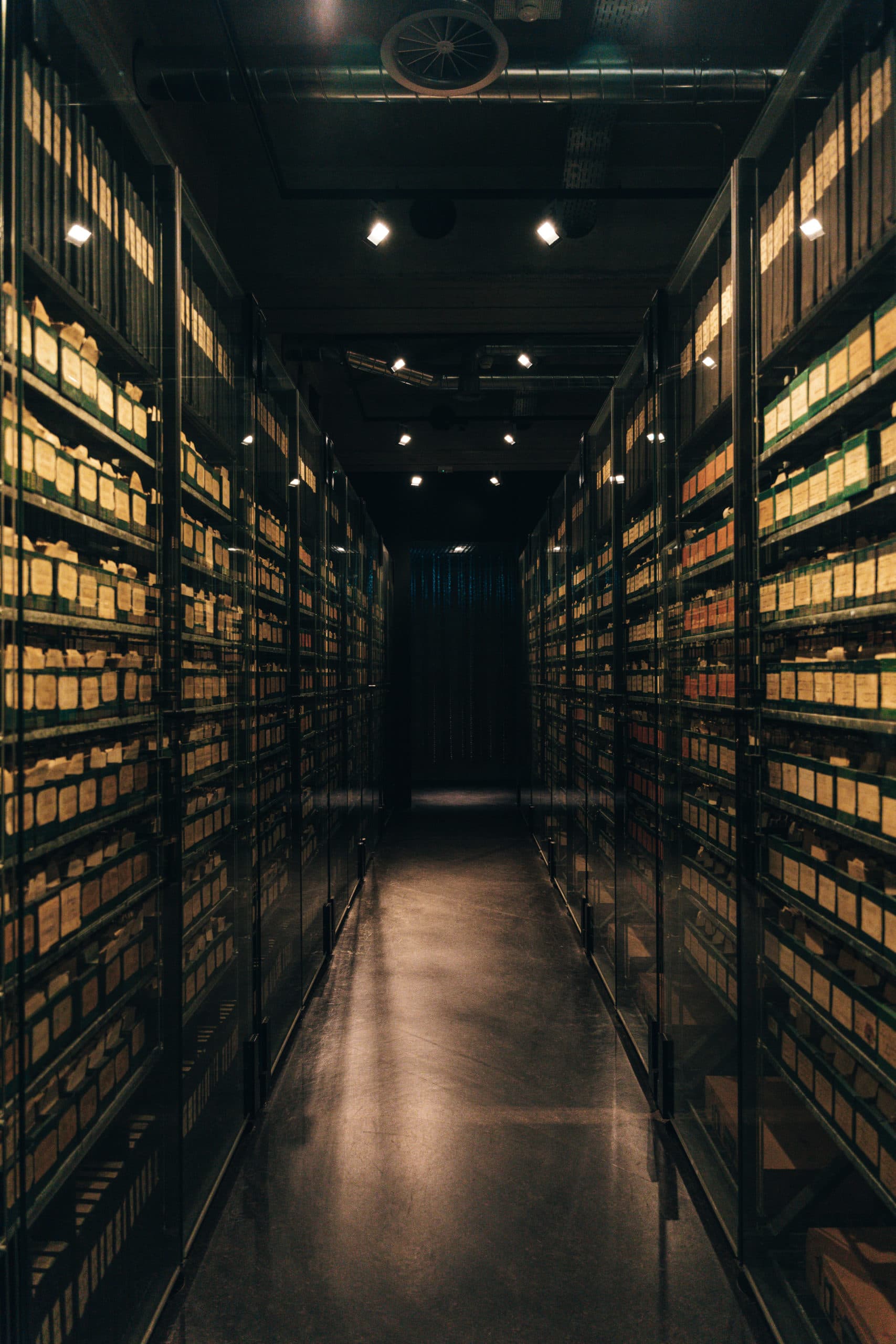
1914-1923
This filing system contains six million index cards detailing what happened to two million prisoners of war and interned civilians during the First World War. It was created in 1914 by the International Prisoners-of-War Agency, which was set up by the International Committee of the Red Cross (ICRC). You can see the filing system in the “Restoring family links” section of the Museum’s permanent exhibition.
In view of their importance, the Agency’s archives were added to UNESCO’s Memory of the World Register in 2007.
FUTURE MEMORY - TRICYCLE
Akira Fujimoto et Cannon Hersey
2022
Shinichi Tetsutani was riding his tricycle when the United States dropped an atomic bomb on Hiroshima on 6 August 1945. Shinichi’s mother found him near his tricycle, suffering from severe burns and other injuries. He died that night. His parents, consumed by grief, decided to bury him with his tricycle in their garden. Forty years later, Shinichi’s father moved his son’s remains to the family gravesite and donated the tricycle to the Hiroshima Peace Memorial Museum.
This work was inspired by Shinichi’s tricycle, and you can see it up close in the Museum’s public area. It stands as a tribute to the victims of the atomic bombings of 1945 and to the work of civil society and other members of the international community – particularly states that have joined the United Nations Treaty on the Prohibition of Nuclear Weapons – towards the elimination of nuclear weapons.

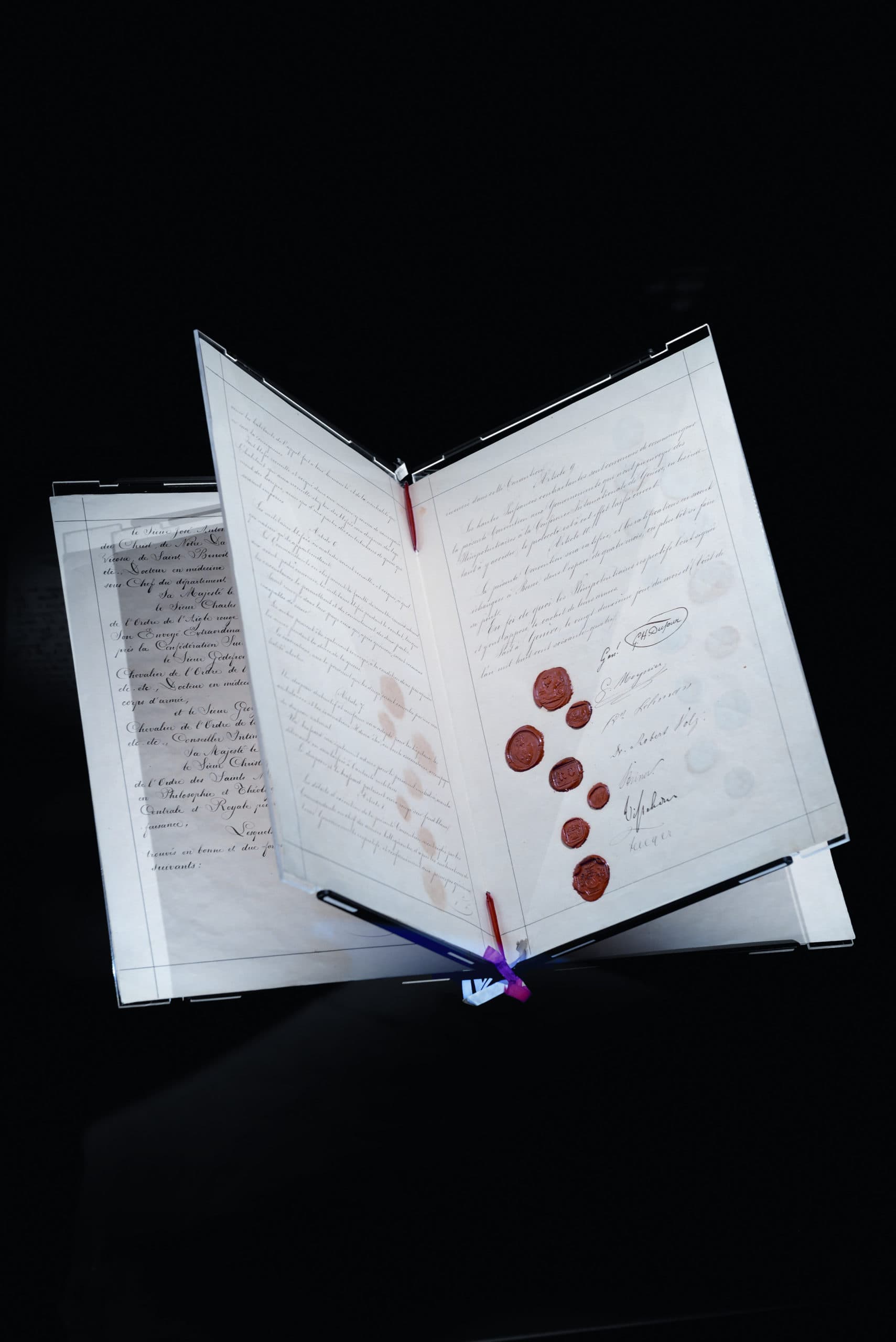
The Geneva Convention
1864
With just one purpose – to limit suffering in war – the original Geneva Convention is the founding text of international humanitarian law. The treaty, entitled “Convention for the Amelioration of the Condition of the Wounded in Armies in the Field”, contained only ten articles, including Article 7 establishing the red cross emblem as a protective symbol. The Convention was signed in Geneva on 22 August 1864 by representatives of 12 states, under the auspices of the Swiss Confederation.
You can see the original copy of this document in the “Defending human dignity” section of the Museum’s permanent exhibition.
The Peoples’ Wall
Monica Guggisberg et Philip Baldwin
2018
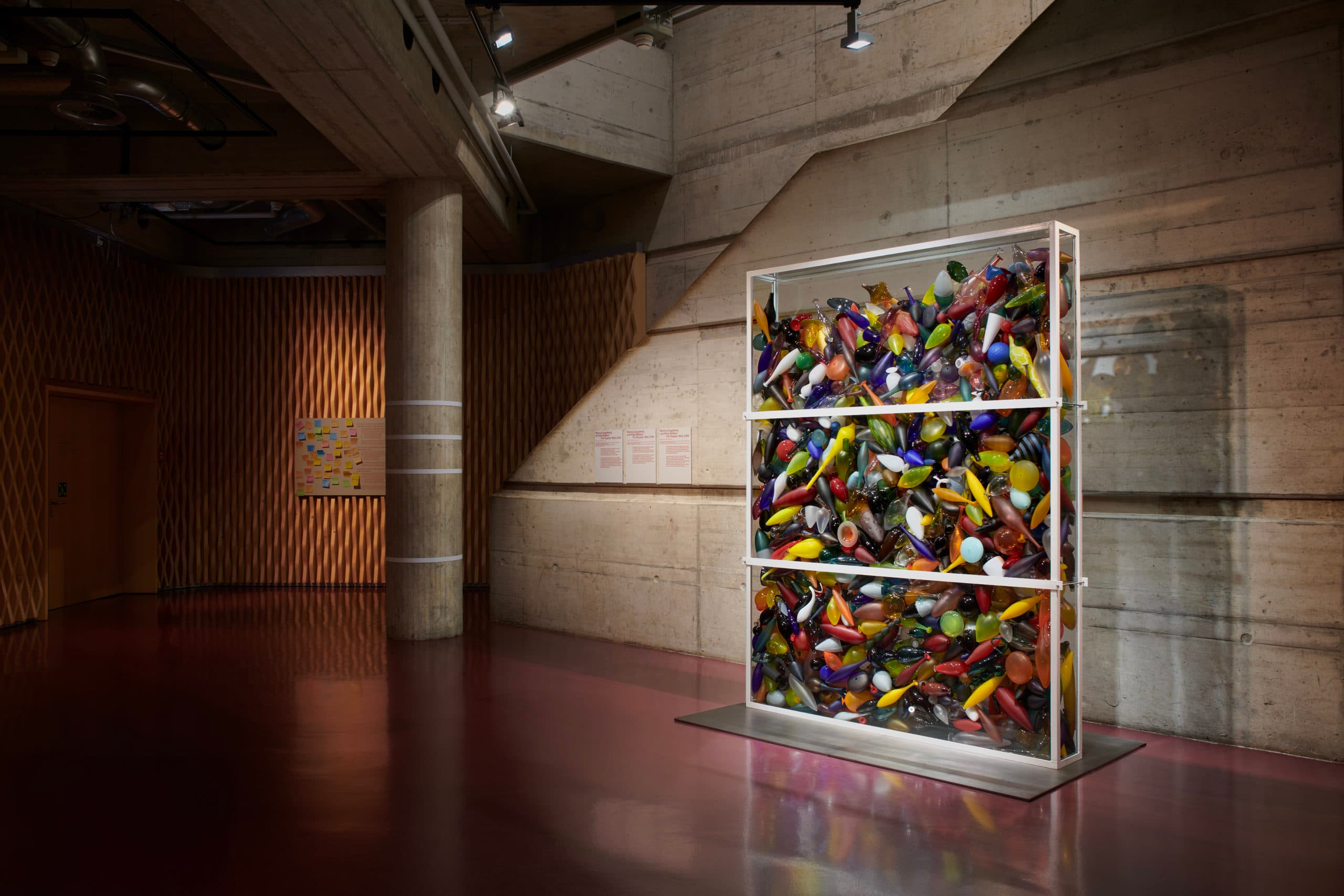
This monumental work, which stands by the entrance to the exhibition space, explores themes such as identity, migration, shared storytelling and community. The artists conceived it as a tribute to “all that is good about humanity”, reflecting a world where diversity is embraced – and where everyone fits in.
Time capsule
2021
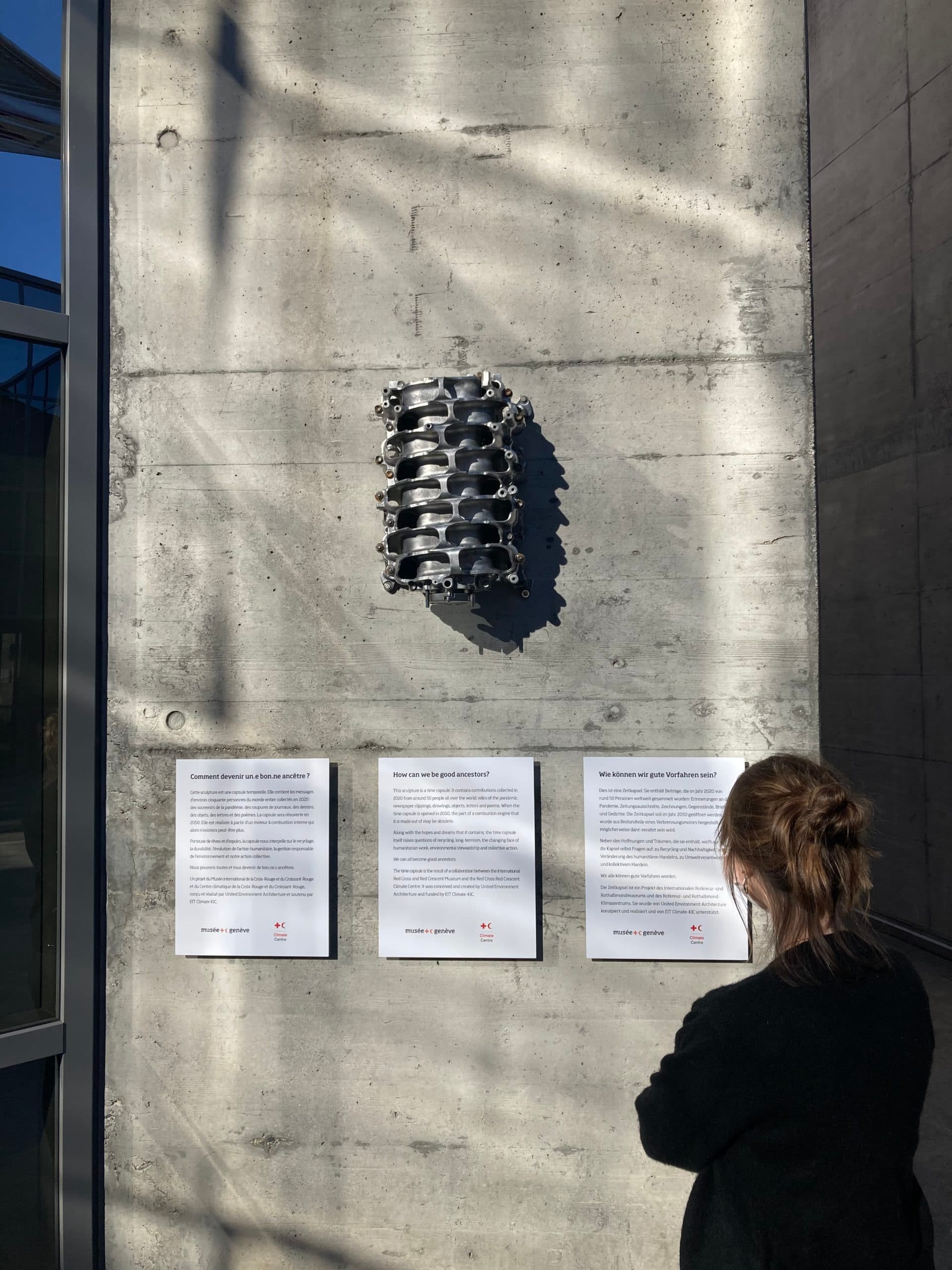
This time capsule, on display in the Museum’s atrium, contains messages and objects collected in 2020 from around 50 people across the globe. The contributions include memories of the pandemic, newspaper cuttings, drawings, letters and poems. Set to be opened in 2050, the capsule prompts us to think about what it means to be a good ancestor.
You are not one. You are a thousand.
Zahrasadat Hakim
2025
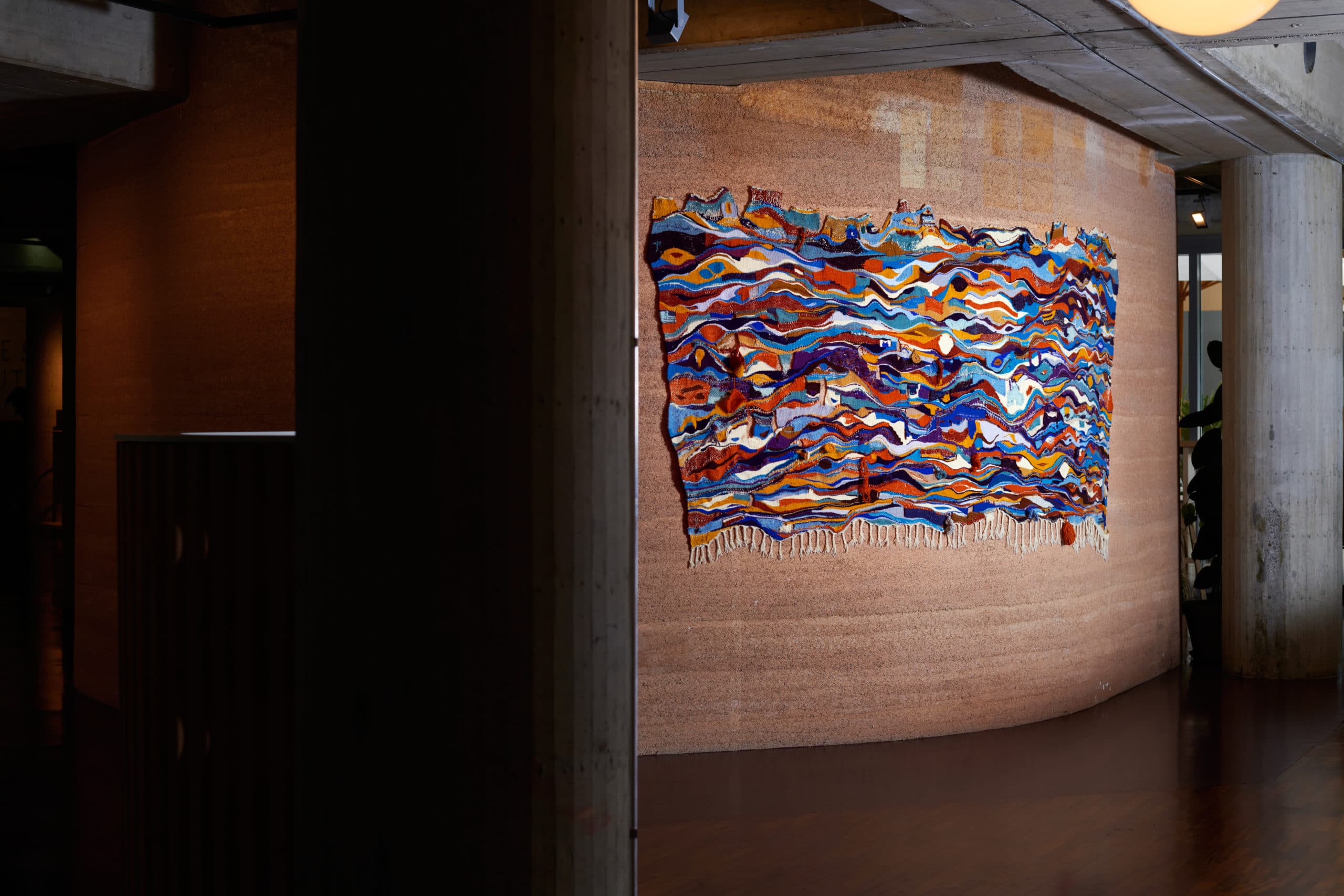
This tapestry explores the overlapping power of human connection, shared stories and collective healing. It is a collective work created in the International Red Cross and Red Crescent Museum’s studio by Zahrasadat Hakim and members of the public between March and August 2025, and it hangs in the Museum’s Café HINIVUU.
The title – You are not one. You are a thousand. – comes from a quote attributed to the Sufi poet Rumi. Hakim, the Museum’s first artist-in-residence, chose this wording to reflect the fact that the tapestry was the work not of one person but of thousands of hands.